DDHqAcvOF0x · book announcement

The algorithm is now part of etymology.

The strongest update to the older etymology account is Algospeak: vocabulary no longer changes only through migration, conquest, commerce, or subculture. Platform moderation and recommendation systems create pressure fields where users invent terms, soften forbidden words, and package identity into searchable labels.

That makes the creator's book announcement more than self-promotion. It reframes the whole account: the same curiosity used to explain Latin roots or neighborhood names is now aimed at TikTok, filters, virality, and the way social media teaches people to speak around machines.

Algospeak book cover
ALGOSPEAKThe cover is useful here because it marks the shift from etymology as trivia to etymology as platform theory.
Alfred A. Knopf borzoi logo
Knopf borzoiThe publisher mark turns the Instagram feed into a book object, with social slang entering literary infrastructure.
Map of Romance languages worldwide
Romance languagesThis map makes the creator's core move visible: a word family is also a spatial history of conquest, settlement, contact, and drift.
CAnIRdiA5Ow · CaCjk4ZuriT · city-name series

Toponyms are not labels pasted onto geography. They are historical layers.

The city and neighborhood posts are the backbone of the account: Paris, Montreal, Baltimore, Singapore, Dallas-Fort Worth, Melbourne, Atlanta, Austin, Denver, Washington D.C., San Diego, the Bay Area, and New York's Capital Region all become readable through names.

This is where the page should not just say "place names encode history." It should show the mechanism: indigenous languages, colonial renaming, immigrant settlement, saint names, topography, commerce, and civic myth all survive as ordinary map text.

CcaawemOJ1p · B99HGTKAZA7 · CcDMVDgO48o

Scientific names are memory systems for experts.

The science posts are not merely "fun facts." Brain anatomy, infectious diseases, fish species, amino acids, geology, trees, flowers, birds, insects, butterflies, moths, and storms all depend on naming conventions that stabilize expertise across time and language.

Latin and Greek matter here because they provide a reusable construction kit: prefixes, roots, suffixes, eponyms, metaphors, locations, and visible traits become portable signs. The account works because it translates those expert systems back into ordinary curiosity.

Biological classification diagram
Taxonomy treeThe visual form matters: names are nested, not scattered.
Influenza virus micrograph
InfluenzaDisease language turns invisible processes into public categories people can repeat.
William Caslon type specimen
Caslon specimenTypeface names are trade history, authorship, and visual taste compressed into a font menu.
Color wheel
Color wheelColor names show how perception becomes a shared classification system.
Marcel Duchamp Fountain
Dada / FountainArt movement names often begin as arguments, insults, manifestos, or counter-identities.
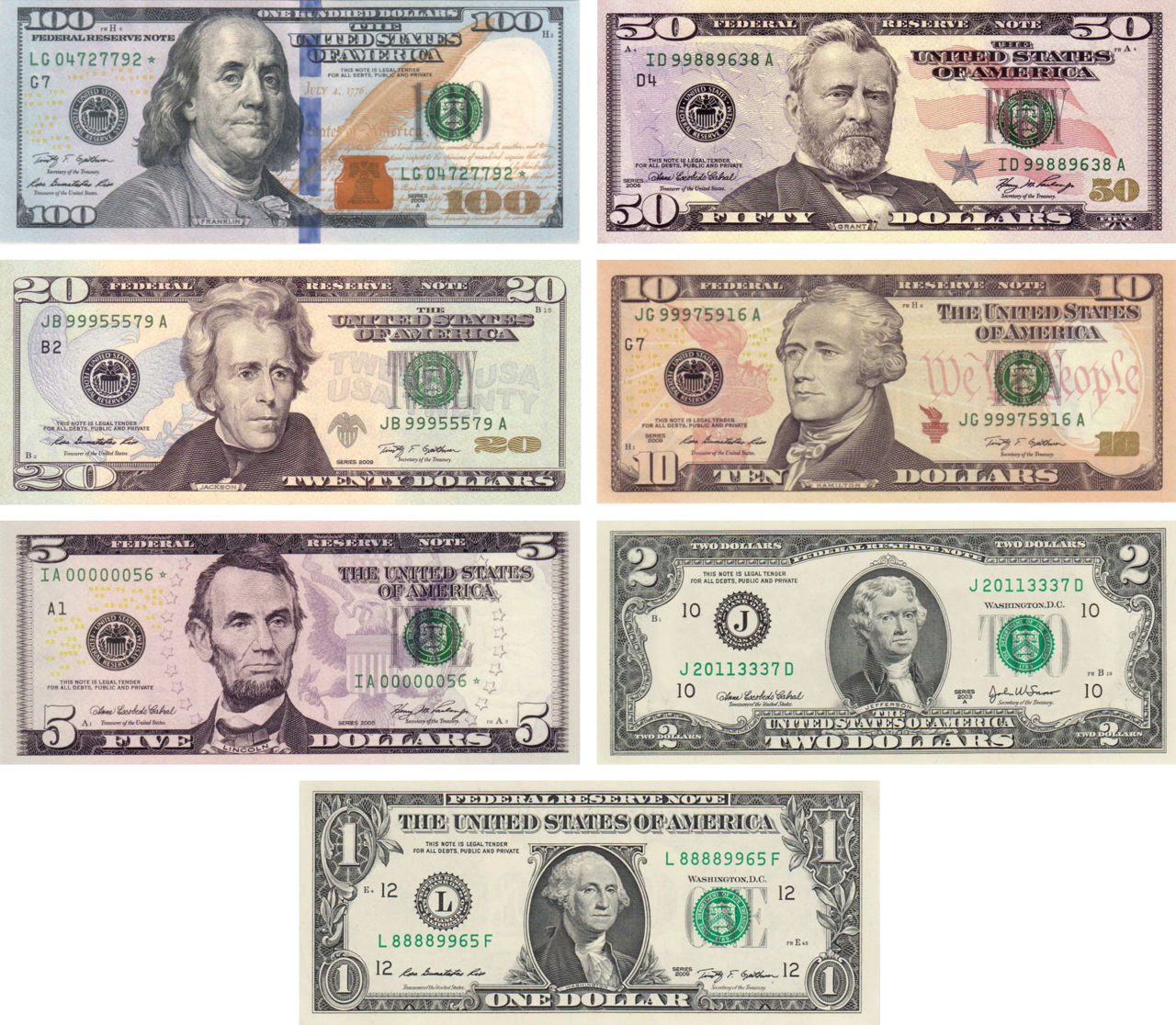
United States dollar notes
Currency namesMoney names carry state authority, trade convention, and inherited symbols.
CRgpE72ADEi · CPx3luegPNt · Ctob1J5g7l3 · CpNUk7WOY3Z

The account treats culture as a naming machine.

The best cultural posts are not just about word origins; they show how domains make themselves legible. Typefaces need names so visual style can circulate. Art movements need names so a sensibility can become historical. Currencies need names so value can become official. Colors need names so perception can become communicable.

This is the broadest version of the creator's thesis: once you know how to ask where a name came from, every field becomes a museum of decisions that people stopped noticing.

Etymology as hidden history

Words operate like small archives. A name can preserve migration, trade, religious authority, scientific discovery, colonial contact, or popular misunderstanding long after the original situation has vanished.

via CAnIRdiA5Ow, CaCjk4ZuriT, B99HGTKAZA7

Toponym patterns

Place names are especially dense because they sit where language meets property, settlement, power, and belonging. The map becomes a historical text people use every day without reading it as one.

via CaCjk4ZuriT, CnjvvCGoSm5, CixPzn8OsCQ

Scientific naming conventions

Expert domains rely on repeatable naming grammars. Latin, Greek, eponyms, morphology, symptoms, geography, and analogy become a toolkit for organizing knowledge across languages.

via CcaawemOJ1p, B99HGTKAZA7, CcDMVDgO48o

Algospeak

Platform moderation turns machines into participants in language change. People invent softer or stranger words because filters, recommendation systems, and monetization pressures reward certain expressions and punish others.

via DDHqAcvOF0x

Brand and cultural naming

Fonts, art movements, currencies, music acts, beer labels, cocktails, colors, and apple varieties all show how names help culture package itself for circulation.

via CRgpE72ADEi, CPx3luegPNt, Ctob1J5g7l3

Cross-domain universality

The account works because the same mechanisms recur everywhere: borrowing, metaphor, eponymy, place reference, material reference, translation drift, and institutional standardization.

via CPx3luegPNt, CcaawemOJ1p, Ctob1J5g7l3

Visual/spatial etymology mapping

The infographic format is not just a delivery style. It argues that linguistic history has structure: it can be mapped, grouped, compared, and seen at a glance.

via CAnIRdiA5Ow, CaCjk4ZuriT, CPx3luegPNt

Public pedagogy

The creator's recurring format turns linguistics into a portable attention habit. The real lesson is not any single word origin; it is learning to suspect that every ordinary name has a backstory.

via the full 40-caption corpus

Name as object label

Across food, diseases, fish, storms, neighborhoods, fonts, and currencies, the name acts like an interface: it lets people handle complex histories as if they were simple objects.

via source corpus
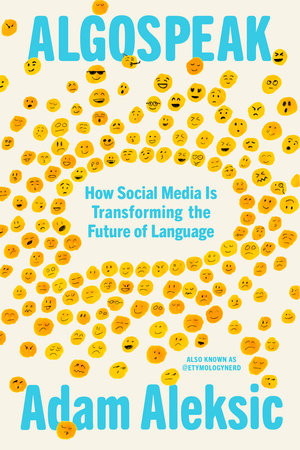
Algospeak book cover
AlgospeakRepresents the creator's latest argument: algorithms now actively condition vocabulary.
Romance language map
Romance mapLanguage families are spatial histories, not just family-tree abstractions.
Rosetta Stone
Rosetta StoneAn emblem of language as recovery: names and scripts can reopen lost worlds.
Biological classification
TaxonomyScientific naming works because the hierarchy itself carries meaning.
Caslon type specimen
CaslonA typeface name stores authorship, craft, and print history in a dropdown label.
Color wheel
Color systemColor words become useful when perception is organized into shared categories.
Duchamp Fountain
DadaMovement names can begin as provocation and then harden into art history.
United States dollar notes
DollarCurrency names show language as state-backed trust and inherited convention.
Influenza virus
InfluenzaDisease names translate microscopic processes into public language.
Knopf borzoi logo
Knopf markThe publisher mark anchors the transition from social feed to edited book culture.
Algorithms are now an active linguistic force: platform moderation produces vocabulary the way older systems of power once did.
Etymology is an access point: any domain becomes legible once you learn to ask how its names were made.
A word origin is not a footnote. It is often the surviving handle for a larger history people stopped noticing.
The infographic format is part of the thesis: linguistic history can be mapped, compared, and seen.
etymologylinguisticsvisual educationtoponymyclassificationalgospeak