This cluster is the most visually immediate, but it is not merely about prettiness. It asks where taste comes from and what obligations come with looking: to a city, to a political struggle, to a religious inheritance, to a design standard, to a canon, to a piece of trash scanned into a texture pack.

@eyes_of_apoorva historicizes visual defaults and shows that aesthetic conventions are never neutral. @stylebykvn reads cities through fashion infrastructure. @andreyazizov makes commercial design tactile through physical residue. @thewaronbeauty argues that beauty has moral and spiritual stakes. @dan_dug_ turns canon, history, and Christian imagery into masculine cultural identity. @kaburbank uses pop culture and political reporting to show how images can educate people into anti-fascist and anti-surveillance awareness.

The richest through-line is anti-generic specificity. These creators disagree sharply about politics and metaphysics, but all of them reject the smooth, placeless default. They want images to remember where they came from.

Style is learned through neighborhoods, museums, flea markets, restaurants, bodies, streets, uniforms, and the local infrastructures that teach people how to look.
Color grading, skin-tone calibration, gendered colors, and iconography encode the power of whoever standardized them.
Aesthetic decline is framed not as taste drift but as civic, spiritual, and psychological damage tied to modernism, secularism, and consumerism.
Scanned paper, grit, wrappers, steel, print residue, and hand-made marks give images credibility by showing contact with the physical world.
Great books, history, religious imagery, and inherited forms become defenses against feed-mediated mediocrity and cultural amnesia.
Stores, salons, museums, jewelry houses, archive sales, Olympic uniforms, and local brands become a map of how place produces taste.
Images from Andor, memes, protest media, posters, and pop-cultural analogies translate complex political structures into accessible feeling.
Images migrate across anime, film, games, advertising, fashion, and social media, often long after their origins have been forgotten.
Human making, visible process, and physical authorship are positioned as counters to AI-generated sameness and robotized production.
Midwest identity, Catholic architecture, crusade history, Tuareg music, and local fashion scenes become sources of visual authority.
Political image literacy and movement-building.
Flock surveillance, war profiteering, Andor, anti-fascist media, veteran coalitions, and algorithmic strategy for the left.
Origin archaeology of visual defaults.
Kodak Shirley Cards, yellow Mexico, Akira influence chains, corporate iconography, gendered color, and accidental Baroque.
Canon, history, and masculinity as visual identity.
Faulkner, Ellul, Botticelli, Celtic crosses, crusades, Midwest myth, and history-as-meme formats.
Beauty as transcendental and anti-modernist politics.
Plato, Ruskin, Gothic craft, Loos, AI art, Catholic aesthetics, and ornament as moral order.
Tactile commercial graphics.
Scanned trash, paper, lipstick, texture packs, Vogue, Sabrina Carpenter, Old Navy, Redken, and visible production credits.
Fashion as field guide to place.
City shopping guides, Olympic uniforms, Issey Miyake, Courreges, KimHeKim, Tuareg Blues, and fashion museums.
Aesthetic defaults are never neutral.
Film color grading is a political act, not a neutral artistic choice.
Beauty is not taste alone; its decline is a spiritual and civic problem.
Robot-carved architecture undermines what makes architecture good, no matter what aesthetic it has.
Design becomes more memorable when it carries evidence of material contact.
To understand a city aesthetically, follow its fashion infrastructure.
Anti-slop is a moral stance: choosing Faulkner over filler is seriousness, not elitism.
Residents dirt can be more protected than their data when surveillance contracts pass without public notice.
Andor works as anti-fascist education because it reaches people who would never engage with direct theory.
One pull
The War on Beauty and Dan Dug root authority in inherited canon, faith, and historical continuity.
Counter-pull
Andrey Azizov and Eyes of Apoorva embrace remix, commercial production, and influence chains as living visual practice.
One pull
Stylebykvn and Kaburbank insist that cities, institutions, and local politics shape meaning.
Counter-pull
Visual-reference accounts translate those places into shareable images, palettes, and feed-native arguments.
One pull
Beauty is treated as a metaphysical or civilizational need.
Counter-pull
Other creators show that beauty standards are also made by corporations, race, class, and propaganda.
One pull
Canon-oriented creators defend inherited works as shields against slop.
Counter-pull
Origin archaeologists ask who got to make those defaults feel universal in the first place.
One pull
Hand-making, scanning, carving, and material texture produce authority through labor.
Counter-pull
Commercial campaigns and platform distribution require images to travel fast across massive audiences.
NameTypeReferenced by
Flock Safetysurveillance company@kaburbank
Andortelevision / political text@kaburbank
Tony Gilroyscreenwriter@kaburbank
Timothy Snyderhistorian@kaburbank
The Bonus Armyhistorical movement@kaburbank
Lockheed Martindefense contractor@kaburbank
Kodak Shirley Cardphotographic standard@eyes_of_apoorva
Bjorn Andresenactor@eyes_of_apoorva
Katsuhiro Otomomanga / film creator@eyes_of_apoorva
Akirafilm@eyes_of_apoorva
Berserkmanga@eyes_of_apoorva
Sicariofilm@eyes_of_apoorva
Breaking Badtelevision@eyes_of_apoorva
Nopefilm@eyes_of_apoorva
Cyberpunk 2077game@eyes_of_apoorva
Jacques Ellultheorist@dan_dug_
Propaganda: The Formation of Mens Attitudesbook@dan_dug_
Ralph Ellisonwriter@dan_dug_
George Saunderswriter@dan_dug_
Birth of Venusartwork@dan_dug_
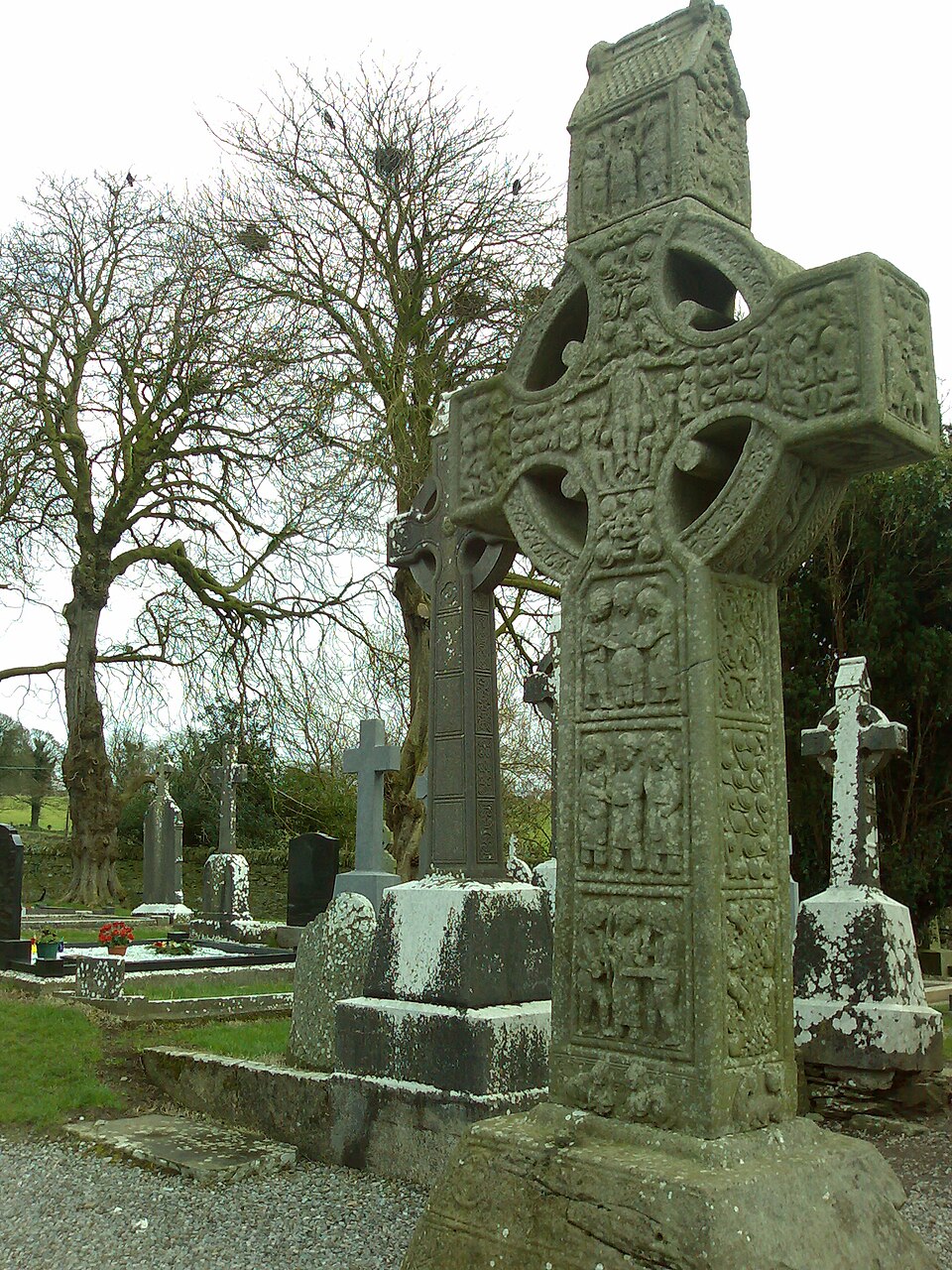
Muiredachs High Crossartwork@dan_dug_
First Crusadehistorical movement@dan_dug_
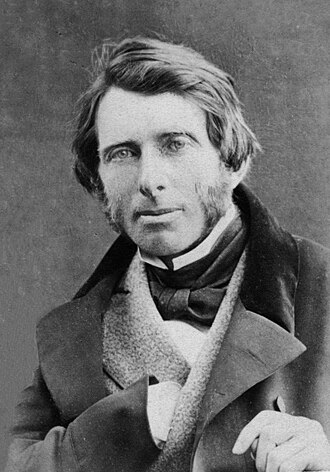
John Ruskincritic / writer@thewaronbeauty
The Stones of Venicebook@thewaronbeauty
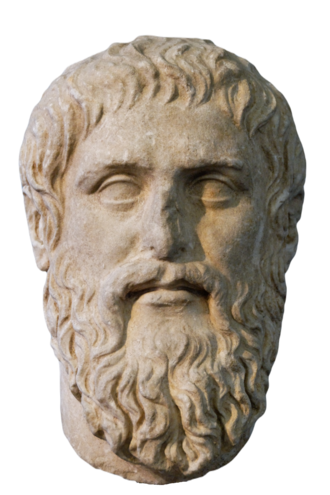
Platophilosopher@thewaronbeauty
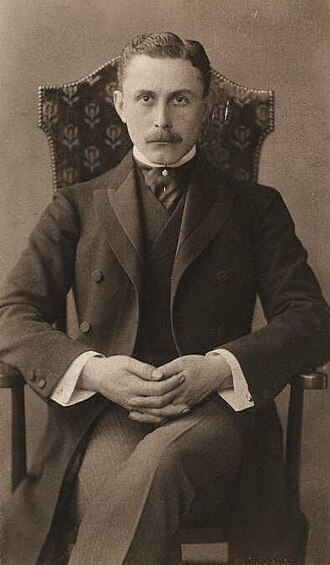
Adolf Loosarchitect / theorist@thewaronbeauty
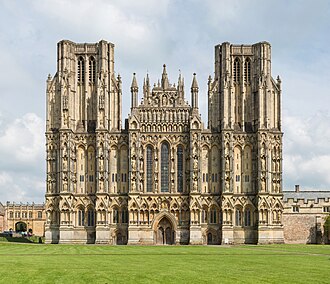
Gothic Cathedralsarchitecture@thewaronbeauty
Gucci AI campaigncampaign@thewaronbeauty
TRASHSCANtexture pack@andreyazizov
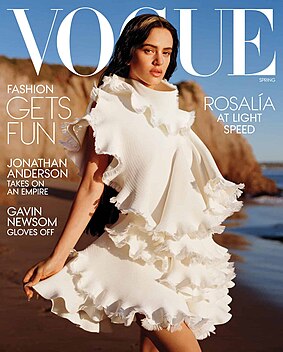
Vogue / Met Galafashion media production@andreyazizov
Sabrina Carpenter - Please Please Pleasemusic video title design@andreyazizov
Old Navybrand campaign@andreyazizov
Bijoux Displaytypeface@andreyazizov
Issey Miyakefashion house@stylebykvn
Courregesfashion house@stylebykvn
Azzedine Alaia Foundationfashion museum@stylebykvn
KimHeKimfashion brand@stylebykvn
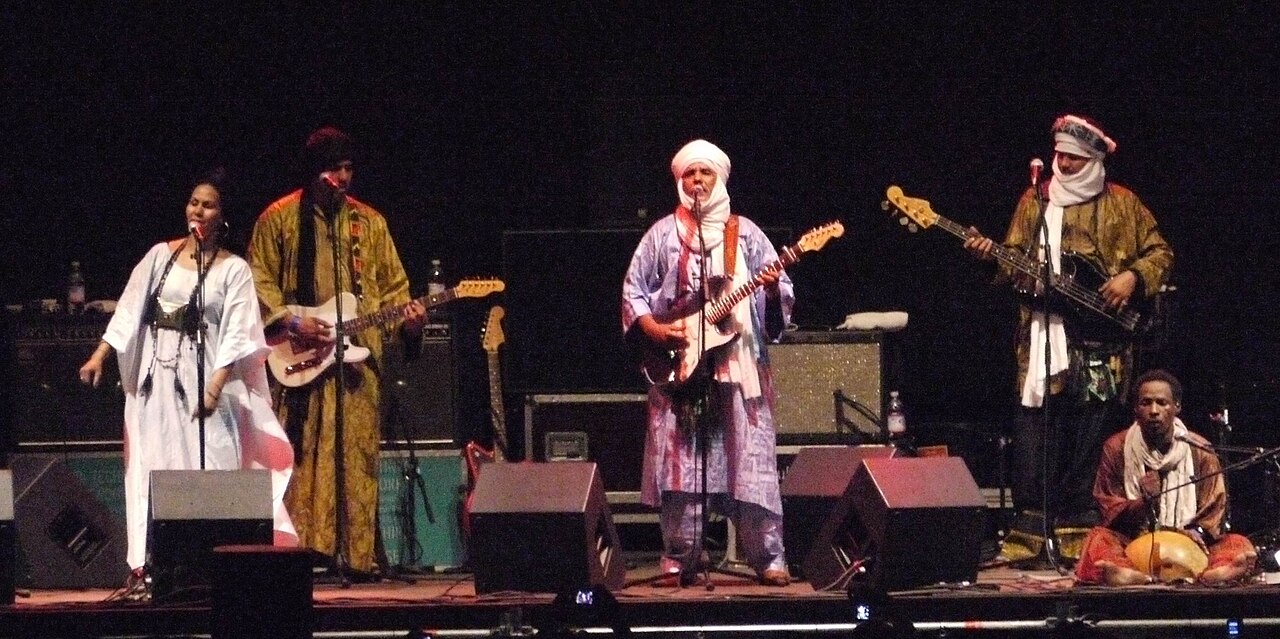
Tuareg Blues / Tinariwenmusic / cultural style@stylebykvn
Parts of 4jewelry brand@stylebykvn
Andor
Andor · @kaburbank treats Andor as anti-fascist political education in popular form.
Timothy Snyder
Timothy Snyder · @kaburbank uses Snyder’s “do not obey in advance” as an anti-authoritarian rule.
Björn Andrésen
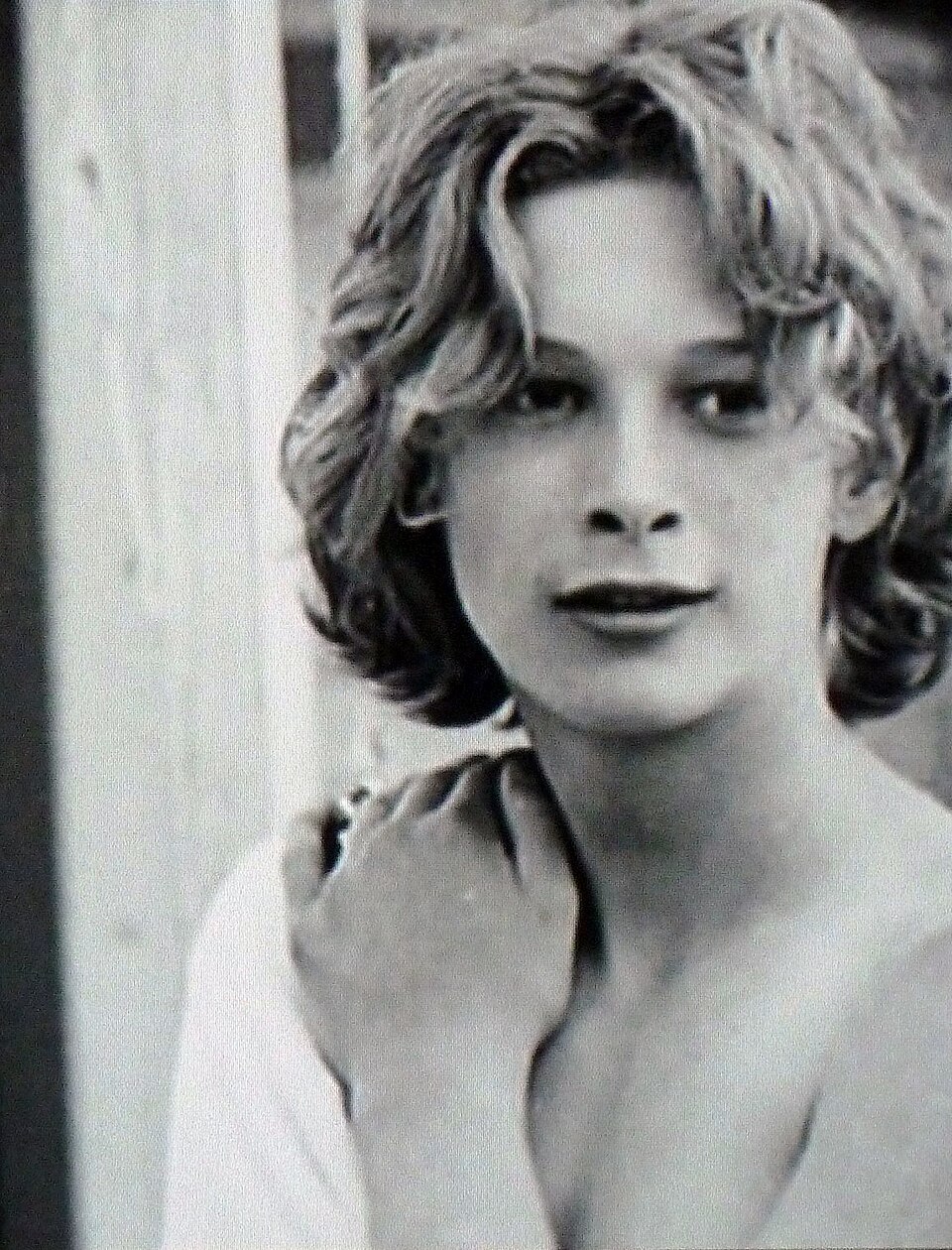
Björn Andrésen · @eyes_of_apoorva traces how one face propagated through anime and film beauty conventions.
Katsuhiro Otomo
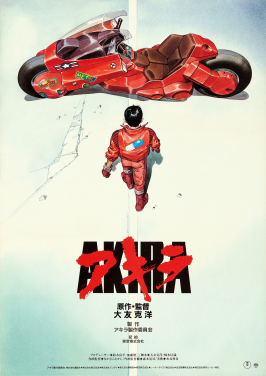
Katsuhiro Otomo · @eyes_of_apoorva follows the Akira motorcycle slide through decades of visual copying.
Akira
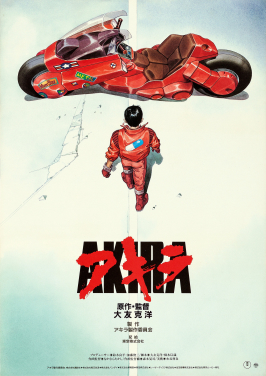
Akira · @eyes_of_apoorva treats Akira as an origin point for visual grammar across media.
Berserk
Berserk · @eyes_of_apoorva reads manga influence as a chain of aesthetic inheritance.
Botticelli / Birth of Venus
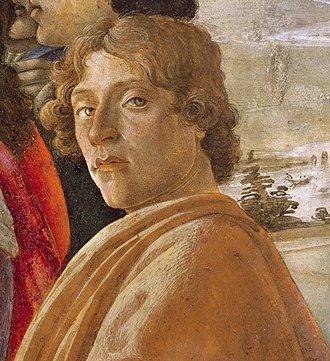
Botticelli / Birth of Venus · @dan_dug_ uses classical painting as anti-slop visual canon.
Muiredach’s High Cross
Muiredach’s High Cross · @dan_dug_ uses Christian iconography as living cultural inheritance.
Jacques Ellul
Jacques Ellul · @dan_dug_ uses Ellul’s propaganda theory to read mass media as attitude formation.
John Ruskin
John Ruskin · @thewaronbeauty anchors craft, grotesque, and beauty in Ruskin’s criticism.
Plato
Plato · @thewaronbeauty invokes Plato to argue beauty is civic and psychological, not decorative.
Adolf Loos
Adolf Loos · @thewaronbeauty treats modernist anti-ornament as an ideological assault.
Gothic Cathedrals
Gothic Cathedrals · @thewaronbeauty treats cathedral craft as the opposite of generic machine-made ugliness.
Sabrina Carpenter
Sabrina Carpenter · @andreyazizov’s commercial title-design world sits inside contemporary pop image production.
Vogue / Met Gala
Vogue / Met Gala · @andreyazizov’s credits map commercial graphics as a distributed production network.
Issey Miyake
Issey Miyake · @stylebykvn reads fashion houses as place, craft, and national style infrastructure.
Courreges
Courreges · @stylebykvn treats heritage fashion houses as portable visual cultures.
Azzedine Alaia Foundation
Azzedine Alaia Foundation · @stylebykvn uses fashion museums as part of a city’s taste infrastructure.
Tinariwen / Tuareg Blues
Tinariwen / Tuareg Blues · @stylebykvn reads music scenes as national and regional style narratives.
These are images of referenced people, works, movements, brands, and institutions mentioned by the creators, not images of the creators themselves. Click a card to open the reference page.