This chapter treats culture as something stored in small containers: a word origin, a choking poster, a gym membership, a cigarette wrapper, a handwritten note, a folk tale classification, or a phrase that suddenly appears because algorithms reward it. The creators are all doing close reading, but their objects differ wildly.

@etymologynerd turns language into archaeology. @culturalfingerprints treats safety signage as diaspora folklore. @g.a.works layers print, steel, wrappers, Baldwin, Brown, and roadside Americana into material memory. @lhuijuni.ldn reads finance language as lifestyle diagnosis. @maryisalien turns symbols into spiritual warning systems. @noteswnat argues that analog difficulty and long-form attention preserve cognitive life.

Together they suggest that memory is not only housed in official archives. It is also stored in slang, regulation, typography, substrate, body discipline, household finance, and the everyday rituals people repeat without noticing.
Language preserves traces of migration, trade, conquest, scientific systems, jokes, euphemisms, and platform moderation.
Platforms now shape vocabulary the way older forces like empire and trade did, producing workarounds such as unalive and other moderation-driven terms.
Everyday objects made under bureaucratic pressure can still carry local authorship, diaspora identity, and community storytelling.
Paper, steel, cigarette wrappers, hand-dyed textile references, and printed layers preserve histories that pure explanation would flatten.
Terms like HENRY, time affluence, body-as-brand, carry trade, and financial nihilism reveal how people narrate pressure, aspiration, and class position.
Symbols, screens, polarity, suburbs, celebrity narratives, and conspiracy vocabularies are read as hidden systems acting on consciousness.
Memory is not only cultural but neurological; difficult hobbies, dancing, long reading, and handwriting build backup pathways against decline.
Meaning changes as it moves between languages, cities, subcultures, platforms, and class positions; the shift itself becomes the evidence.
Collecting signs, studies, phrases, and cultural artifacts resists the way standardized systems erase local voices and minority histories.
Choosing friction - reading, dancing, manual making, long writing - becomes a way to keep intelligence and attention from being outsourced.
Language as compressed history.
Etymology, toponyms, scientific naming, algospeak, visual maps, and the claim that any domain becomes historical once read linguistically.
Finance as lifestyle semiotics.
Time affluence, HENRY traps, body-as-brand, financial nihilism, and the class absurdities of high-cost city life.
Symbols as spiritual and energetic systems.
Hermetic polarity, screens as portals, engineered amnesia, Jungian integration, and anti-modern presence.
Printmaking as layered cultural memory.
Serigraphy, steel, found wrappers, Baldwin, John Brown, anti-ICE imagery, roadside icons, and public process.
Urban signage as diaspora folklore.
NYC choking signs, multilingual templates, ATU tale types, regulatory creativity, and fieldwork archiving.
Analog difficulty as cognitive preservation.
Cognitive reserve, friction-maxxing, multi-domain hobbies, AI-proof judgment, and anti-scrolling recovery.
Algorithms are now an active linguistic force.
Words carry compressed cultural records.
At some point, earning more only makes you happier if it also increases your time affluence.
Your body is your brand now, whether you opted into that or not.
Knowledge without wisdom is worthless.
Steel is not an aesthetic upgrade but a political one; the material carries permanence and weight.
Fairy tales and custom choking signs are both expressions of the peoples voice.
Scrolling feels relaxing but actually makes you more tired, anxious, and drained.
If you cannot explain an idea clearly on paper, you do not actually understand it.
One pull
Etymology, finance, and cognitive frameworks clarify hidden mechanisms.
Counter-pull
Esoteric and archive-driven accounts preserve ambiguity, atmosphere, and symbolic charge.
One pull
Publishers, academic studies, classifications, and museums stabilize knowledge.
Counter-pull
Restaurant signs, wrappers, captions, studies, and fieldwork show culture moving outside official containers.
One pull
Etymology and ATU tale types search for repeatable structures across cultures.
Counter-pull
Diaspora signs, regional finance traps, and found materials only make sense in particular places.
One pull
Noteswnat and lhuijuni offer practices for better cognition, wealth, and time.
Counter-pull
The same practices can become another optimization demand inside the systems they diagnose.
One pull
Printmaking, handwriting, dancing, and signs insist that bodies and objects matter.
Counter-pull
Algospeak and screens show language increasingly shaped by invisible platform constraints.
NameTypeReferenced by
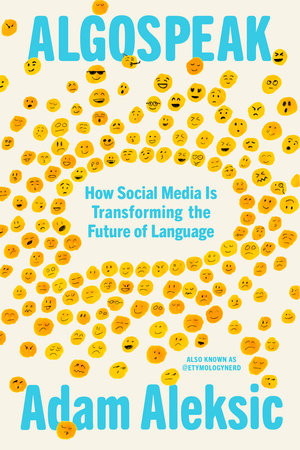
ALGOSPEAKbook@etymologynerd
Alfred A. Knopfpublisher@etymologynerd
Romance languageslanguage family@etymologynerd
Latin and Greek naming systemsreference system@etymologynerd
Hindenburg Researchorganization@lhuijuni.ldn
Adani Groupcompany@lhuijuni.ldn
Fumi Wakabayashi, I Love Stocksbook@lhuijuni.ldn
Mrs. Watanabefinance figure / archetype@lhuijuni.ldn
Goldman Sachsinstitution@lhuijuni.ldn
Balenciagabrand@lhuijuni.ldn
Hermeticismesoteric tradition@maryisalien
Carl Jungpsychological theorist@maryisalien
William Levitthistorical figure@maryisalien
Ben Shapiropublic figure@maryisalien
Zoroastrianismreligious tradition@maryisalien
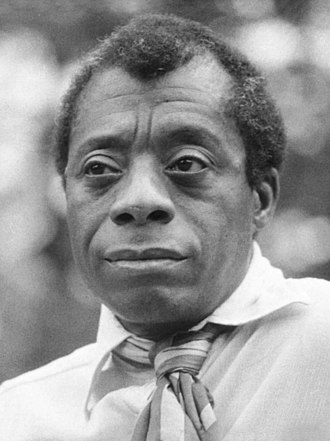
James Baldwinwriter@g.a.works
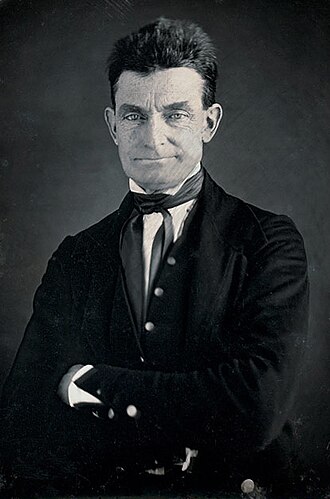
John Brownabolitionist@g.a.works
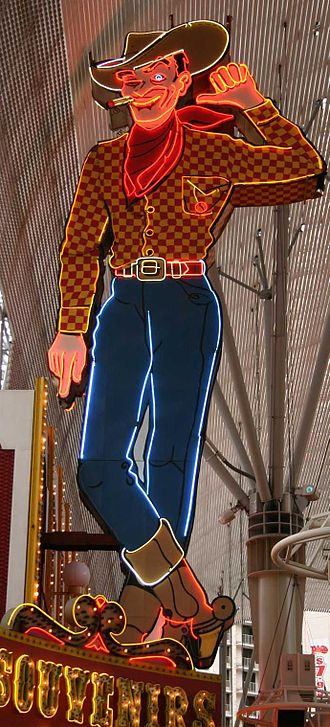
Vegas Vicroadside neon icon@g.a.works
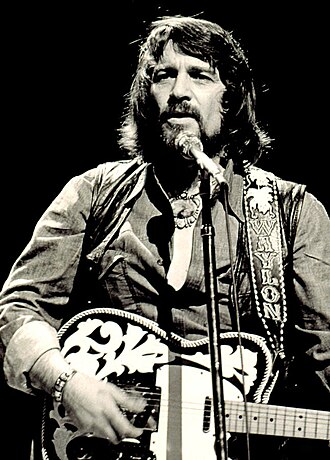
Waylon Jenningsmusician@g.a.works
This Machine Kills Fascistsart-as-weapon phrase@g.a.works
TenuguiJapanese textile tradition@g.a.works
SamsaraBuddhist concept@g.a.works
Aarne-Thompson-Uther Classificationfolklore system@culturalfingerprints
Fish Cheeksrestaurant / sign artifact@culturalfingerprints
Pitu Sanchezartist / designer@culturalfingerprints
Reggie Miller and Spike Leesports pop-culture reference@culturalfingerprints
Verghese et al. 2003academic study@noteswnat
New England Journal of Medicinejournal@noteswnat
Root-Bernstein 2019academic study@noteswnat
Chess and Gocognitive practices@noteswnat
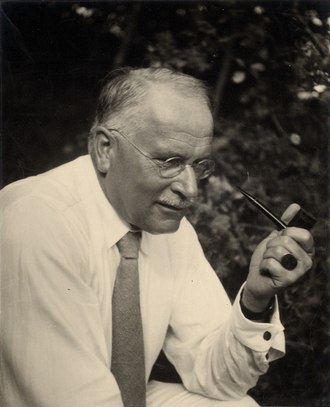
Carl Jung
Carl Jung · @maryisalien uses Jungian archetypes to read masculine/feminine integration and symbolic life.
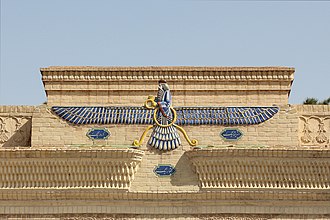
Zoroastrianism
Zoroastrianism · @maryisalien folds ancient dualist traditions into her symbolic reading of modernity.
James Baldwin
James Baldwin · @g.a.works layers Baldwin into printmaking as radical American memory.
John Brown
John Brown · @g.a.works places John Brown beside Baldwin as a lineage of abolitionist witness.
Vegas Vic
Vegas Vic · @g.a.works treats roadside Americana as serious visual and cultural material.
Waylon Jennings
Waylon Jennings · @g.a.works uses outlaw country citation as one layer in the print surface.
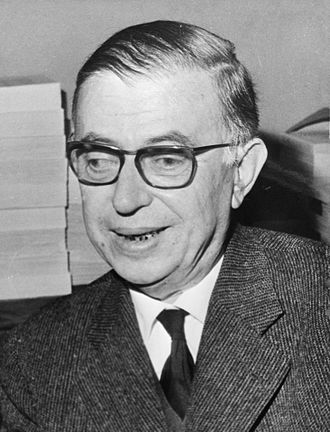
Jean-Paul Sartre
Jean-Paul Sartre · @g.a.works references existentialism as part of the textual field around the work.
Marina Abramović
Marina Abramović · @g.a.works references performance art as another layer of art-historical memory.
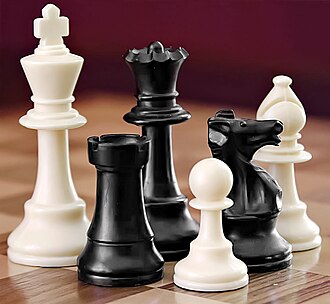
Chess
Chess · @noteswnat uses difficult games as examples of cognitive reserve and metacognition.
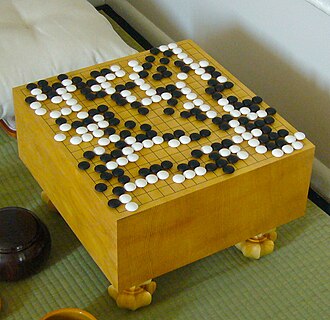
Go
Go · @noteswnat treats complex analog games as friction that preserves mental flexibility.
These are images of referenced people, works, movements, brands, and institutions mentioned by the creators, not images of the creators themselves. Click a card to open the reference page.