This cluster is less about logos than about the machinery that lets a thing become believable. The creators read brand as a stack: cultural patronage, research practice, institutional validation, founder mythology, AI-era workflow, and the social proof that makes taste feel natural rather than engineered.

The shared move is demystification. @eugbrandstrat explains why brands must attach themselves to existing cultural currents; @codebynordveritas shows how institutions and markets manufacture legitimacy; @vinny_creative and @fakeplasticbrands turn research and reference systems into creative infrastructure; @willfrancis makes the new AI workflow visible; @bjornd.al proves that even absurdist DIY worlds need repeatable lore, merch, episodes, and rituals to persist.

What emerges is a useful contradiction: brands are at their strongest when they feel like culture, but the accounts here keep showing the scaffolding underneath that feeling.
A brand does not invent culture from nothing; it identifies an existing current, platforms it, and borrows the capital that current already carries.
Value becomes believable through a sequence of signals: founder story, references, market proof, institutional endorsement, visual consistency, and social repetition.
Good creative work starts before execution, in competitor analysis, product immersion, archives, mood boards, and organized reference libraries.
Post-Aspiration Strategy
When young consumers no longer believe in meritocratic progress or accessible luxury, brands must sell utility, mobility, relief, or participation rather than old status fantasies.
AI cheapens execution, so the defensible labor moves to taste, strategy, prompt framing, safety literacy, and knowing what should exist in the first place.
Fake, exaggerated, or satirical brands reveal the rituals real brands use to create credibility: tone, scarcity, invented backstory, and audience recognition.
Markets and museums often decide legitimacy before audiences do; validation stacks make price, prestige, and access feel inevitable.
A durable brand often depends on a clear founding conviction that constrains expansion, protects standards, and gives the organization a soul.
Aesthetic worlds persist only when supported by systems: recurring episodes, mascots, merchandise, style taxonomies, shops, and repeatable rituals.
Late capitalism turns even the body, personality, and mental resilience into investable assets, making selfhood part of the brand economy.
Brands as post-aspiration cultural strategy.
Baudrillard, Lacan, creator culture, post-luxury status, and the collapse of old aspirational myths.
AI literacy as practical creative survival.
Prompt injection, agentic tools, vibe coding, Claude Skills, AI detection, and the creativity rebound against slop.
Creativity as trained perception.
Research, cross-domain problem solving, pitch conviction, hyper-extraction, and visual-first ideation.
Culture as capital infrastructure.
Art-market validation, invisible hierarchy, Bernays-style demand construction, and institutions as permission systems.
Self-overcoming as personal brand mythology.
Poetry, warfare, spiritual discipline, physical training, and prophetic public testimony.
Design education as brand-system training.
Reference infrastructure, graphic vs. brand designer distinctions, visual taxonomies, and AI-proof taste.
Absurdist DIY as persistent worldbuilding.
Esoteric meme breakdowns, Minneapolis scene documentation, zines, mascots, invented holidays, and self-published lore.
Brands do not create culture; culturally resonant brands identify cultural currents and grant them a platform.
You cannot sell aspiration to a society that does not believe in it.
AI browsers are easy to hack because hidden instructions can hijack what the agent sees as the page.
AI slop may force human creators toward more experimental, rule-breaking work.
You are not born creative, and you are certainly not born with taste.
Culture is never only culture. It signals capital. It signals status. It signals power.
When classification dissolves, order does not disappear. It becomes invisible.
Wisdom is warfare.
The designer AI will not replace is the one with brand judgment, research habits, and taste-building systems.
Memes can be legitimate intellectual vehicles; the absurd format can earn its depth rather than undercut it.
One pull
Brand strategists want companies to platform living cultural currents without pretending to author them.
Counter-pull
Structural critics warn that the same act converts culture into capital and makes extraction feel like patronage.
One pull
AI tools collapse production time and let creators build apps, images, pages, and workflows faster.
Counter-pull
The cluster keeps insisting that judgment, references, and point of view become more valuable precisely because execution is cheap.
One pull
Positioning and systems explain why a brand matters.
Counter-pull
Visual evidence, style libraries, and artifacts still prove that the strategy has a real cultural body.
One pull
Museums, awards, galleries, and case studies remain powerful validation engines.
Counter-pull
Zines, local shows, invented holidays, and meme series build alternate legitimacy from below.
One pull
The body and personality become brand surfaces to optimize.
Counter-pull
Some creators reframe discipline as spiritual or intellectual resistance rather than market compliance.
NameTypeReferenced by
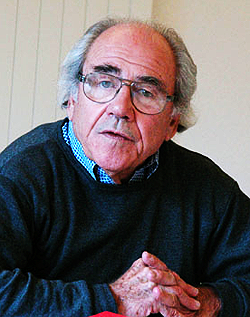
Jean Baudrillardtheorist@eugbrandstrat
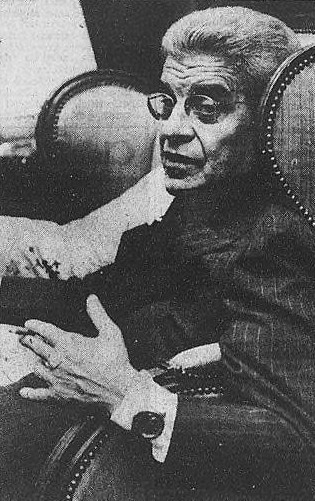
Jacques Lacantheorist@eugbrandstrat
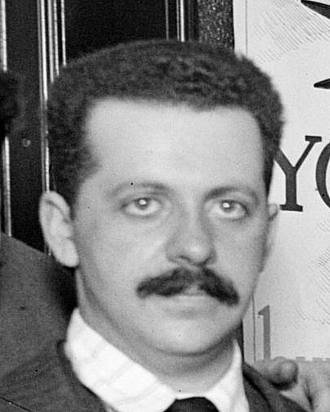
Edward Bernayspublic relations theorist@codebynordveritas
A Technique for Producing Ideasbook@fakeplasticbrands
Hit Makersbook@fakeplasticbrands
Brand New / UnderConsiderationdesign criticism site@vinny_creative
Cannes Lionscreative industry event@vinny_creative
Are.naresearch platform@vinny_creative, @codebynordveritas
ShotDeckreference tool@vinny_creative
Magnum Photosphotography archive@vinny_creative
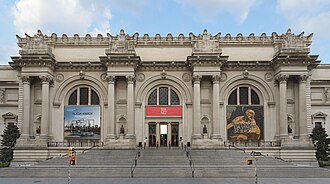
The Met Collectionart archive@vinny_creative
Claude SkillsAI workflow feature@willfrancis
BoltAI app builder@willfrancis
Prompt injectionAI security risk@willfrancis
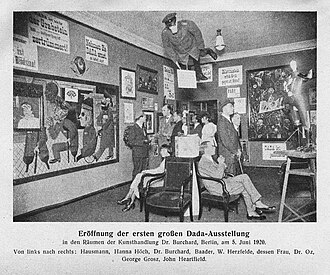
Dadaismart movement@willfrancis
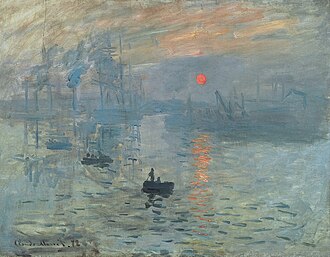
Impressionismart movement@willfrancis
LACMA David Geffen Galleriesinstitution@codebynordveritas
Christies Augmented Intelligence saleart market event@codebynordveritas
Amoako Boafoartist@codebynordveritas
Refik Anadolartist@codebynordveritas
Holly Herndon and Mat Dryhurstartists@codebynordveritas
Marinetti, Futurist Manifestotext@h_miller76
Joan of Archistorical figure@h_miller76
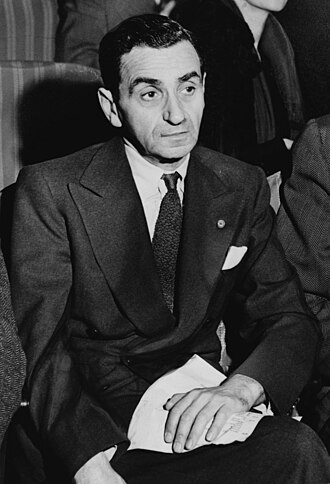
Irving Berlincomposer@bjornd.al
Girolamo Segatohistorical figure@bjornd.al
Prairie Clamorcollective / band@bjornd.al
BROOD II / TOOTH DREAMSchapbook@bjornd.al
Jean Baudrillard
Jean Baudrillard · @eugbrandstrat uses Baudrillard to frame the body/self as capitalism’s last investable surface.
Jacques Lacan
Jacques Lacan · @eugbrandstrat uses Lacan’s gaze to explain mediated selfhood and performed authenticity.
Edward Bernays
Edward Bernays · @codebynordveritas cites Bernays-style demand construction: desire is engineered before the product is sold.
Dada
Dada · @willfrancis invokes Dada as a precedent for artists rebounding against a new image technology.
Impressionism
Impressionism · @willfrancis frames AI slop as a pressure that may push human creativity away from imitation.
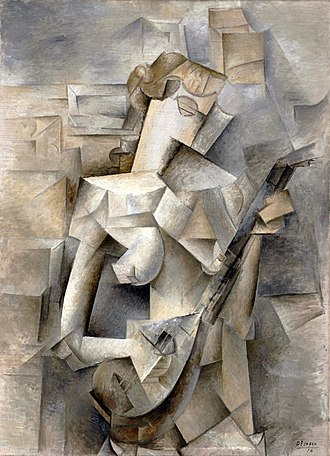
Cubism
Cubism · @willfrancis references modern art movements as examples of rule-breaking after technical disruption.
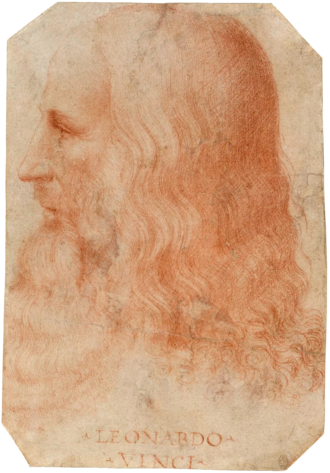
Leonardo da Vinci
Leonardo da Vinci · @codebynordveritas uses Renaissance commissions to show art and finance were always entangled.
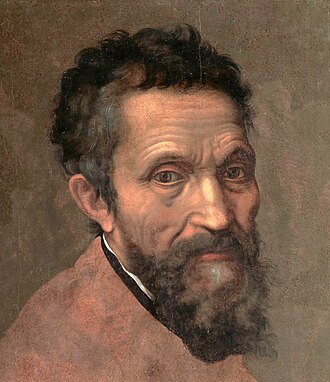
Michelangelo
Michelangelo · @codebynordveritas points to Sistine Chapel patronage as an early validation-and-capital system.
The Met Collection
The Met Collection · @vinny_creative treats museum archives as infrastructure for building design taste.
Joan of Arc
Joan of Arc · @h_miller76 uses prophetic figures as part of a truth-teller mythology.
Irving Berlin
Irving Berlin · @bjornd.al uses Berlin as an example of limitation becoming a creative operating system.
Art Basel Miami Beach
Art Basel Miami Beach · @codebynordveritas includes art fairs in the validation stack that turns attention into market value.
These are images of referenced people, works, movements, brands, and institutions mentioned by the creators, not images of the creators themselves. Click a card to open the reference page.